
Introduction
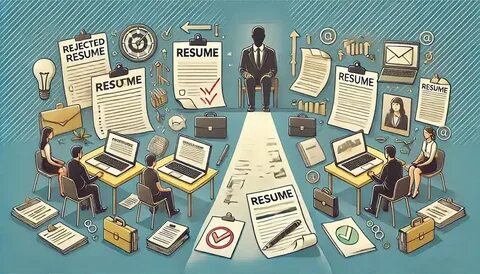
Job hunting can feel exciting, stressful, frustrating, and exhausting at the same time.
One week, you feel hopeful after submitting several applications. The next week, silence fills your inbox. Many talented people begin questioning themselves after repeated rejection or complete lack of response.
The truth is that job searching has changed dramatically.
Today’s hiring process moves faster, relies heavily on technology, and includes intense competition. Recruiters review hundreds of applications for a single role. Many candidates fail before reaching the interview stage because of avoidable mistakes.
Some applicants use weak resumes. Others apply blindly without researching companies. Many job seekers sabotage themselves during interviews without realizing it.
These mistakes can quietly destroy opportunities.
The good news is that most job search errors are fixable.
Once you understand what employers actually want, you can position yourself more effectively. Small improvements often create major results.
According to career experts at Harvard Business Review, poor job search strategies and generic applications significantly reduce interview chances, even for qualified candidates.
This guide explains the top mistakes job seekers make and how to avoid them successfully.
You will learn:
- Resume mistakes that reduce callbacks
- Interview habits employers dislike
- Networking errors hurting opportunities
- Online profile problems
- Common application mistakes
- How to stand out professionally
- Smart strategies for modern job searching
- Ways to improve confidence and visibility
If you are serious about landing better opportunities, this article will help you avoid the traps that keep many applicants stuck.
Applying to Every Job Without Strategy
Many desperate job seekers believe quantity guarantees success.
It does not.
Submitting hundreds of random applications often wastes time and energy.
Employers easily recognize generic applications.
When candidates apply blindly, they usually:
- Ignore job requirements
- Use the same resume everywhere
- Skip company research
- Write weak cover letters
This lowers interview chances significantly.
Why Random Applications Fail
Recruiters look for relevance.
If your skills do not align with the role, your application quickly gets rejected.
Applicant Tracking Systems also filter resumes automatically.
Unfocused applications rarely pass these systems.
How to Avoid This Mistake
Apply strategically instead.
Focus on jobs where your skills genuinely match.
Before applying:
- Read the job description carefully
- Identify required skills
- Customize your resume
- Research the company
- Tailor your application
Fewer high-quality applications usually outperform hundreds of weak ones.
Using a Generic Resume for Every Job
This is one of the biggest mistakes candidates make.
Many people create one resume and send it everywhere.
That approach rarely works today.
Recruiters want relevance.
A resume designed for marketing should not look identical to one used for customer service or project management.
Why Generic Resumes Hurt Your Chances
Employers want candidates who fit their needs specifically.
A generic resume feels lazy and unfocused.
It often misses important keywords recruiters expect.
That becomes a problem because many companies use automated screening software.
How to Improve Your Resume
Customize your resume for each role.
Focus on:
- Relevant skills
- Matching keywords
- Industry language
- Measurable achievements
Here is an example.
Weak statement:
“Responsible for sales.”
Better statement:
“Increased monthly sales by 30 percent through customer relationship strategies.”
Specific achievements create stronger impact.
Ignoring Applicant Tracking Systems
Many candidates never realize software filters their resumes first.
Applicant Tracking Systems scan resumes before recruiters see them.
If your resume lacks important keywords, it may get rejected automatically.
Common ATS Mistakes
Job seekers often:
- Use complicated designs
- Add unnecessary graphics
- Ignore job-specific keywords
- Submit poorly formatted documents
These issues reduce compatibility with screening systems.
How to Beat ATS Filters
Use simple formatting.
Include keywords from the job description naturally.
Focus on:
- Skills
- Certifications
- Technologies
- Relevant experience
Avoid keyword stuffing. Keep the resume readable.
According to Indeed career guidance, resumes optimized for Applicant Tracking Systems have higher chances of reaching recruiters.
Writing Weak Resume Summaries
Your resume summary creates the first impression.
Weak summaries immediately reduce interest.
Examples of Weak Summaries
Many candidates write vague statements like:
“Hardworking individual seeking opportunities for growth.”
This says almost nothing.
Recruiters read similar phrases constantly.
What Makes a Strong Summary
A strong summary includes:
- Experience level
- Key skills
- Industry expertise
- Measurable achievements
Example:
“Digital marketing specialist with four years of experience increasing social media engagement and managing paid advertising campaigns.”
Specificity matters greatly.
Focusing Only on Responsibilities Instead of Results
Many resumes list duties without showing achievements.
Employers care about outcomes.
Weak example:
“Managed customer service operations.”
Better example:
“Improved customer satisfaction ratings by 25 percent through faster response systems.”
Results sound more valuable.
Why Metrics Matter
Numbers create credibility.
Strong metrics include:
- Revenue growth
- Cost reductions
- Productivity improvements
- Team leadership
- Project completion rates
Recruiters trust measurable impact.
Poor LinkedIn Profiles
Your online presence matters more than ever.
Many recruiters search candidates online before interviews.
Weak LinkedIn profiles damage credibility quickly.
Common LinkedIn Mistakes
Many candidates:
- Use unprofessional photos
- Leave profiles incomplete
- Ignore headlines
- Avoid networking
- Write vague descriptions
These mistakes reduce visibility.
How to Improve LinkedIn
Optimize your profile carefully.
Focus on:
- Professional photo
- Strong headline
- Detailed experience
- Skills section
- Recommendations
Your LinkedIn profile should support your resume professionally.
Not Networking Enough
Many job seekers rely only on online applications.
That approach limits opportunities.
Networking remains one of the most powerful career tools.
Why Networking Matters
Many jobs are filled through referrals.
Connections help candidates:
- Discover hidden opportunities
- Gain referrals
- Learn industry trends
- Build professional visibility
Networking increases trust faster than cold applications.
Effective Networking Strategies
You do not need to be extremely outgoing.
Simple actions help greatly.
Examples include:
- Joining professional communities
- Attending webinars
- Connecting on LinkedIn
- Engaging with industry posts
- Reaching out politely to professionals
Consistency matters more than perfection.
Applying Without Researching the Company
Many candidates skip company research completely.
That mistake becomes obvious during interviews.
Why Research Matters
Employers want candidates who show genuine interest.
Research helps you understand:
- Company culture
- Industry position
- Products and services
- Company goals
- Work environment
Prepared candidates stand out immediately.
What to Research Before Interviews
Focus on:
- Recent company news
- Leadership
- Company mission
- Competitors
- Job responsibilities
This preparation improves confidence and answers.
Arriving Late for Interviews
Punctuality still matters greatly.
Arriving late creates a negative impression instantly.
It may signal:
- Poor planning
- Lack of seriousness
- Weak professionalism
How to Avoid Being Late
Plan ahead carefully.
For physical interviews:
- Check transportation routes
- Leave early
- Prepare documents beforehand
For virtual interviews:
- Test internet connection
- Check audio and camera
- Join early
Preparation reduces stress significantly.
Dressing Inappropriately
Appearance still influences perception.
Even remote interviews require professional presentation.
Common Appearance Mistakes
Some candidates:
- Dress too casually
- Wear distracting clothing
- Ignore grooming
- Appear unprepared visually
These issues affect credibility.
How to Dress Professionally
Research the company culture first.
When uncertain, slightly formal attire usually works best.
Professional appearance communicates respect and seriousness.
Talking Too Much During Interviews
Many candidates panic and over-explain everything.
Long answers often weaken interviews.
Why Over-Talking Hurts
Interviewers value clarity.
Excessive talking may suggest:
- Nervousness
- Lack of focus
- Poor communication skills
Strong candidates answer directly.
How to Improve Interview Communication
Use structured responses.
Keep answers:
- Clear
- Relevant
- Concise
Practice common questions beforehand.
Speaking Negatively About Previous Employers
This mistake damages trust quickly.
Even if your past experience was terrible, avoid emotional complaints.
Why Negative Comments Hurt You
Interviewers may think:
- You create workplace conflict
- You lack professionalism
- You may criticize future employers similarly
Stay respectful and professional.
Better Ways to Discuss Difficult Experiences
Focus on learning and growth.
Example:
“I wanted opportunities for professional growth and new challenges.”
This sounds mature and constructive.
Failing to Prepare for Common Questions
Some candidates assume they can improvise everything.
That approach often fails.
Questions You Should Prepare For
Examples include:
- Tell me about yourself
- Why should we hire you
- What are your strengths
- Describe a challenge you solved
- Why do you want this role
Preparation improves confidence greatly.
Ignoring Soft Skills
Technical skills matter, but soft skills matter too.
Employers value candidates who communicate and collaborate effectively.
Important Soft Skills
Key examples include:
- Communication
- Teamwork
- Adaptability
- Problem-solving
- Leadership
Many candidates underestimate these abilities.
How to Demonstrate Soft Skills
Use examples during interviews.
Show situations where you:
- Solved problems
- Worked with teams
- Managed pressure
- Handled conflict
Stories create stronger impressions.
Using Unprofessional Email Addresses
Small details matter.
An immature email address can reduce credibility instantly.
Bad Examples
Examples include:
These look unprofessional.
Better Approach
Use a clean format.
Example:
Professional presentation matters everywhere.
Applying Without a Cover Letter When Needed
Some companies still value cover letters strongly.
Ignoring them can reduce your chances.
Why Cover Letters Matter
Strong cover letters:
- Show effort
- Explain motivation
- Highlight fit
- Add personality
They help differentiate candidates.
How to Write Better Cover Letters
Keep them concise.
Focus on:
- Why you want the role
- Relevant experience
- What value you bring
Avoid repeating the resume entirely.
Failing to Follow Instructions
Many employers intentionally include instructions inside job listings.
Candidates who ignore them appear careless.
Common Instruction Errors
Examples include:
- Wrong file formats
- Missing requested documents
- Ignoring application steps
- Incorrect subject lines
Attention to detail matters greatly.
How to Avoid This Mistake
Read every instruction carefully.
Double-check before submitting applications.
Simple carelessness can eliminate strong candidates.
Poor Online Behavior
Recruiters often review social media activity.
Unprofessional online behavior creates concerns.
What Employers Notice
They may evaluate:
- Offensive posts
- Aggressive comments
- Inappropriate photos
- Public arguments
Your online image affects professional perception.
Building a Positive Online Presence
Focus on professional credibility.
Share:
- Industry insights
- Achievements
- Certifications
- Projects
- Thoughtful discussions
Professional branding matters increasingly.
Giving Weak Answers to “Tell Me About Yourself”
This question shapes first impressions.
Many candidates waste the opportunity.
Common Weak Answers
Some applicants:
- Share personal stories
- Ramble excessively
- Sound unprepared
- Repeat their resumes directly
These responses reduce impact.
Better Strategy
Use a structured approach.
Focus on:
- Present role
- Relevant background
- Future goals
Keep answers professional and concise.
Showing Desperation
Job searching feels stressful, especially after rejection.
Still, desperation can hurt interviews.
Signs of Desperation
Examples include:
- Begging for opportunities
- Mentioning financial struggles
- Accepting anything immediately
- Appearing overly emotional
Confidence matters more.
How to Stay Professional
Focus on value instead of need.
Communicate:
- Skills
- Achievements
- Professional goals
Employers hire confidence and competence.
Ignoring Follow-Up Communication
Many candidates disappear after interviews.
That is a missed opportunity.
Why Follow-Ups Matter
Professional follow-ups show:
- Gratitude
- Interest
- Professionalism
- Communication skills
Small actions can improve impressions.
Best Follow-Up Practices
Send a brief thank-you message within 24 hours.
Keep it simple and professional.
Mention:
- Appreciation
- Interest in the role
- Positive conversation highlights
Poor Salary Discussions
Salary conversations require balance.
Some candidates discuss salary too early.
Others avoid the topic entirely.
Common Salary Mistakes
Job seekers often:
- Undervalue themselves
- Demand unrealistic salaries
- Avoid market research
Preparation matters greatly.
How to Handle Salary Discussions Better
Research market rates beforehand.
Consider:
- Industry averages
- Experience level
- Location
- Skills
Confident negotiation improves outcomes.
Not Practicing Interview Skills
Many candidates prepare documents but ignore interview practice.
Communication improves with repetition.
Effective Practice Methods
Try:
- Mock interviews
- Recording yourself
- Practicing with friends
- Reviewing common questions
Practice reduces anxiety significantly.
Letting Rejection Destroy Confidence
Rejection affects almost everyone.
Even strong candidates face setbacks.
Why Rejection Happens
Sometimes rejection has little to do with ability.
Factors may include:
- Internal hiring
- Budget changes
- Competition
- Timing
Do not internalize every rejection personally.
Healthy Ways to Respond to Rejection
Use rejection constructively.
Review:
- Resume quality
- Interview performance
- Skill gaps
- Job targeting strategy
Improvement creates momentum.
Neglecting Skill Development
Some job seekers stop learning while searching.
That becomes risky in competitive industries.
Why Continuous Learning Matters
Employers value growth-oriented candidates.
New certifications and skills improve competitiveness.
Valuable Learning Areas
Popular options include:
- Digital marketing
- Data analysis
- Programming
- Project management
- Communication skills
Learning increases confidence and employability.
Comparing Yourself Constantly to Others
Social media worsens comparison anxiety.
You may see others announcing promotions or job offers constantly.
Why Comparison Becomes Dangerous
Constant comparison damages:
- Motivation
- Confidence
- Mental health
Everyone’s career path differs.
Better Mindset
Focus on personal progress.
Track:
- Skills gained
- Interviews completed
- Networking growth
- Confidence improvements
Progress matters more than perfection.
Poor Time Management During Job Searches
Unstructured job hunting creates burnout.
Some people apply randomly for hours without strategy.
Better Job Search Structure
Create routines.
Examples include:
| Task | Recommended Time |
|---|---|
| Job applications | 2 hours daily |
| Networking | 30 minutes daily |
| Skill learning | 1 hour daily |
| Resume updates | Weekly |
| Interview practice | Several times weekly |
Organization improves productivity and emotional stability.
Avoiding Networking Because of Fear
Many people fear networking because it feels uncomfortable.
That fear limits opportunities.
Important Networking Truth
Networking is not begging.
It is relationship building.
Professional networking often begins with simple conversations.
Easy Networking Starters
Examples include:
- Commenting thoughtfully on LinkedIn posts
- Asking career questions politely
- Joining online industry groups
- Attending free webinars
Small actions build confidence gradually.
Underestimating First Impressions
First impressions happen quickly.
Recruiters notice details immediately.
What Shapes First Impressions
Examples include:
- Tone of voice
- Body language
- Appearance
- Confidence
- Communication style
Professional presence matters greatly.
Improving Professional Presence
Focus on:
- Clear communication
- Positive attitude
- Good posture
- Preparation
- Respectful behavior
These qualities improve interview outcomes significantly.
Applying Emotionally Instead of Strategically
Frustrated job seekers sometimes apply emotionally.
They panic after rejection and apply everywhere impulsively.
Why Emotional Job Searching Fails
Emotional decisions often create:
- Poor applications
- Burnout
- Reduced confidence
- Weak interview performance
Calm strategy works better.
Building a Smarter Job Search System
Track applications carefully.
Use spreadsheets to monitor:
- Companies
- Roles
- Interview dates
- Follow-ups
- Outcomes
Organization reduces stress.
The Hidden Cost of Job Search Mistakes
Small mistakes often create long-term consequences.
Repeated rejection affects:
- Confidence
- Motivation
- Mental health
- Financial stability
That is why strategy matters so much.
The job market is competitive, but preparation creates advantages.
What Successful Job Seekers Do Differently
Successful candidates usually:
- Customize applications
- Practice interviews
- Build strong networks
- Improve skills continuously
- Maintain professionalism
- Stay emotionally resilient
Consistency matters more than perfection.
How Technology Changed Job Searching
Modern job searching differs greatly from the past.
Technology introduced:
- ATS software
- Online interviews
- LinkedIn recruiting
- AI screening tools
- Remote hiring
Candidates must adapt to these changes.
The Importance of Patience During Job Searches
Many people expect immediate results.
Unfortunately, job searching often takes time.
Why Patience Matters
Strong opportunities require:
- Preparation
- Persistence
- Timing
Frustration is normal, but quitting too early reduces success chances.
Building Long-Term Career Value
The best job seekers think beyond immediate employment.
They build long-term professional value.
Examples include:
- Strong relationships
- Personal branding
- Continuous learning
- Industry visibility
- Portfolio development
Careers grow through consistent investment.
Conclusion
Job searching is challenging, competitive, and emotionally demanding.
However, many common mistakes are completely avoidable.
Small improvements often create dramatic results.
Candidates who succeed usually approach job hunting strategically. They prepare carefully, communicate professionally, and continue improving their skills consistently.
Remember these key lessons:
- Customize your applications
- Optimize your resume
- Prepare for interviews
- Network consistently
- Maintain professionalism online
- Focus on measurable achievements
- Keep learning continuously
Rejection does not mean failure.
Often, it simply means adjustment is necessary.
The modern job market rewards preparation, adaptability, and persistence. Those who remain focused and professional eventually create stronger opportunities for themselves.
Instead of applying harder, apply smarter.
That single shift can completely transform your job search experience.

FAQ
Why am I applying for jobs but getting no interviews?
Your resume may lack relevant keywords, measurable achievements, or proper customization for each role.
How important is LinkedIn during job searching?
LinkedIn is extremely important. Many recruiters actively search candidates and review profiles before interviews.
Should I apply for jobs even if I lack every qualification?
Yes. If you meet most core requirements, apply confidently. Many employers value potential and transferable skills.
How long should I wait before following up after an interview?
A professional follow-up within 24 hours is usually appropriate and appreciated.
What is the biggest mistake job seekers make?
Using generic applications without tailoring resumes and cover letters remains one of the biggest mistakes today.
Leave a Reply