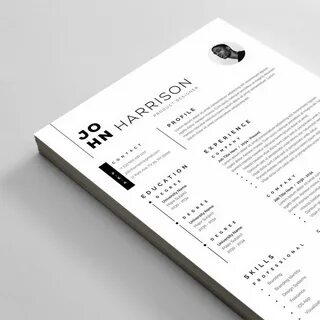
Recruiters spend only a few seconds scanning most resumes before deciding whether to keep reading or move on. That reality surprises many job seekers. You might spend hours polishing your resume, yet a few common mistakes can prevent it from getting the attention it deserves.
A resume is more than a list of jobs. It is a marketing document that tells employers why you are the right person for a role. Every word, section, and design choice shapes a recruiter’s first impression.
The good news is that most resume mistakes are completely avoidable. Once you know what recruiters notice first, you can create a resume that stands out for the right reasons instead of the wrong ones.
Whether you are a recent graduate, changing careers, or seeking a promotion, avoiding these mistakes will significantly improve your chances of getting interviews.
Why Recruiters Reject Resumes So Quickly
Hiring managers and recruiters often receive hundreds of applications for a single opening. They simply cannot read every resume line by line.
Instead, they look for clear evidence that a candidate matches the role. If they encounter confusion, errors, or irrelevant information, they usually move on.
According to research published by Indeed Career Guide, resumes that are clear, tailored, and easy to scan perform much better than generic ones.
Recruiters typically check for:
- Relevant experience
- Professional formatting
- Required skills
- Career progression
- Education
- Contact information
- Obvious errors
Your resume should make these details easy to find within seconds.
The Biggest Resume Mistakes at a Glance
| Resume Mistake | What Recruiters Think | Better Approach |
|---|---|---|
| Spelling errors | Careless applicant | Proofread several times |
| Generic resume | Low interest | Customize every application |
| Poor formatting | Difficult to read | Use clean spacing and headings |
| Long paragraphs | Hard to scan | Use concise bullet points |
| Missing achievements | Average candidate | Quantify accomplishments |
| Unprofessional email | Poor first impression | Use a professional email address |
| Too much information | Lacks focus | Include only relevant details |
| Outdated skills | Not competitive | Highlight current, in-demand skills |
Using the Same Resume for Every Job
This is perhaps the most common mistake job seekers make.
Many applicants send one resume to dozens of employers without changing anything. Recruiters notice this almost immediately.
Every job description is different. Employers want candidates who clearly match their specific needs.
A generic resume often:
- Misses important keywords
- Highlights irrelevant experience
- Looks copied and pasted
- Suggests little interest in the position
Instead, adjust your resume for each application.
Focus on:
- Relevant skills
- Matching achievements
- Similar responsibilities
- Industry keywords
Small changes can dramatically improve your chances.
Poor Formatting Makes Reading Difficult
A recruiter should never struggle to understand your resume.
Messy layouts quickly discourage employers.
Common formatting mistakes include:
- Tiny fonts
- Large blocks of text
- Multiple font styles
- Bright colors
- Inconsistent spacing
- Crowded pages
Instead, choose a clean and professional layout.
Good formatting includes:
- Clear headings
- White space
- Consistent fonts
- Bullet points
- Balanced margins
- Easy-to-read sections
Remember that simplicity often looks more professional than elaborate designs.
Spelling and Grammar Errors Destroy Credibility
Nothing damages a resume faster than careless mistakes.
A single typo can create doubts about your attention to detail.
Common examples include:
- Misspelled company names
- Incorrect job titles
- Grammar mistakes
- Missing punctuation
- Wrong dates
Always proofread your resume several times.
Better yet:
- Read it aloud.
- Print a copy.
- Ask another person to review it.
- Use grammar-checking software.
Fresh eyes often catch mistakes you no longer notice.
Weak Professional Summary
The professional summary appears near the top of your resume.
Recruiters read this section first.
Unfortunately, many summaries are vague.
Examples include:
- Hardworking individual
- Team player
- Fast learner
- Motivated professional
These statements say very little.
A stronger summary focuses on value.
Instead of describing yourself with clichés, explain:
- Years of experience
- Area of expertise
- Key achievements
- Career goals
Specific statements build confidence much faster.
Listing Responsibilities Instead of Achievements
Many resumes simply describe what candidates were supposed to do.
Recruiters want to know what you actually accomplished.
Compare these examples.
Weak statement:
Managed customer service.
Strong statement:
Managed customer inquiries while maintaining a 96 percent customer satisfaction rating.
Achievements demonstrate impact.
Where possible, include numbers.
Examples include:
- Revenue increased
- Costs reduced
- Customers served
- Projects completed
- Sales generated
- Team size managed
Numbers make achievements believable.
Including Irrelevant Information
Your resume should answer one important question.
Why should this employer hire you?
Anything that does not support that answer should probably be removed.
Avoid including:
- Irrelevant hobbies
- Old school awards
- Unrelated work history
- Personal opinions
- Excessive personal details
Focus instead on experience that supports the role.
Every section should strengthen your application.
An Unprofessional Email Address
It sounds simple, yet recruiters still see inappropriate email addresses.
Examples include:
- coolguy123
- partyqueen99
- footballboss007
These addresses create an unprofessional impression.
Use a simple format instead.
Examples include:
- firstname.lastname@email.com
- firstinitiallastname@email.com
Professional communication begins before the interview.
Ignoring Applicant Tracking Systems
Many companies now use Applicant Tracking Systems, often called ATS.
These systems scan resumes before recruiters ever see them.
If your resume lacks relevant keywords, it may never reach a hiring manager.
The experts at Jobscan explain that matching important keywords from the job description can improve ATS compatibility without resorting to keyword stuffing.
To improve ATS performance:
- Read the job description carefully.
- Use similar terminology.
- Include relevant technical skills.
- Avoid graphics that confuse software.
- Keep formatting simple.
Remember that your resume must impress both software and people.
Too Much Information
Some applicants believe longer resumes appear more impressive.
The opposite is often true.
Recruiters appreciate resumes that get to the point.
Avoid:
- Repeating information
- Long introductions
- Detailed descriptions of every job
- Outdated experience from decades ago
Instead:
- Prioritize recent experience.
- Highlight major achievements.
- Remove unnecessary details.
- Keep every sentence purposeful.
Quality always beats quantity.
Forgetting to Highlight Relevant Skills
Employers hire people who can solve problems.
Your skills section should clearly demonstrate those abilities.
Separate your skills into categories when possible.
Examples include:
Technical skills
- Microsoft Excel
- Data analysis
- Project management software
Soft skills
- Leadership
- Communication
- Problem-solving
- Time management
Only include skills you can genuinely demonstrate during interviews.
Inconsistent Employment Dates
Recruiters carefully examine employment timelines.
Conflicting dates create confusion.
Double-check:
- Start dates
- End dates
- Promotions
- Education dates
- Certifications
Consistency builds trust.
If you have employment gaps, be prepared to explain them honestly during interviews.
Using Buzzwords Without Evidence
Many resumes contain fashionable words.
Examples include:
- Innovative
- Strategic
- Passionate
- Dynamic
- Visionary
These words mean very little without proof.
Instead, support your claims with measurable achievements.
Evidence always carries more weight than adjectives.
Forgetting Contact Information
This mistake happens more often than people realize.
Imagine impressing a recruiter only to leave out your phone number.
Always include:
- Full name
- Mobile number
- Professional email
- LinkedIn profile if updated
- City and country
Check every detail before submitting your application.
One incorrect digit could cost you an interview.
Final Thoughts
Your resume creates your first impression long before you meet a recruiter. Even strong candidates lose opportunities because of preventable mistakes. Fortunately, most resume problems are easy to fix with careful attention to detail.
Before submitting any application, review your resume with fresh eyes. Make sure it is tailored to the job, free from errors, easy to scan, and focused on measurable achievements. Every improvement increases your chances of moving to the interview stage.
Remember that recruiters are not looking for perfection. They are looking for candidates who present themselves clearly, professionally, and honestly. A polished resume demonstrates that you value the opportunity and understand what employers expect.
Take the time to refine your resume before every application. That extra effort could be the difference between being overlooked and receiving the interview invitation you have been waiting for.
Frequently Asked Questions
How long should a resume be?
Most professionals should aim for one page if they have less than ten years of experience. Experienced professionals may use two pages when necessary.
Should I include every job I have ever had?
No. Include only positions that are relevant to the role or demonstrate valuable experience and career progression.
Do recruiters care about resume design?
Yes. Recruiters appreciate clean, professional layouts that are easy to scan. Avoid complicated graphics and excessive colors.
Is it necessary to customize my resume for every application?
Yes. Tailoring your resume to match each job description greatly improves your chances of passing applicant tracking systems and attracting recruiters.
How often should I update my resume?
Update your resume whenever you gain new skills, complete major projects, earn certifications, receive promotions, or begin searching for a new opportunity.
Leave a Reply