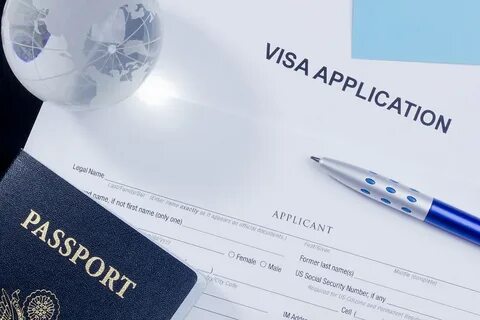
A visa application letter can decide whether your travel dream moves forward or stops immediately.
Many applicants spend weeks preparing bank statements, passports, and supporting documents. Yet, they often ignore one important detail. Their visa application letter.
That mistake can become costly.
A poorly written letter creates confusion. It may raise doubts about your intentions, finances, or travel plans. In some cases, it even leads to rejection.
On the other hand, a strong visa application letter builds trust. It explains your purpose clearly and helps visa officers understand your situation quickly.
Think of it as your personal introduction.
The letter gives you an opportunity to speak directly to the embassy or immigration officer. It helps you organize your story and support your application professionally.
Whether you are applying for a tourist visa, student visa, work visa, medical visa, or business visa, the quality of your letter matters.
This guide explains how to write a powerful visa application letter that improves your chances of approval. You will learn:
- What a visa application letter is
- Why embassies care about it
- How to structure it properly
- Common mistakes to avoid
- Real examples and templates
- Practical writing tips that work
By the end, you will know how to create a clear, convincing, and professional letter that strengthens your entire visa application.
What Is a Visa Application Letter
A visa application letter is a formal document submitted to an embassy or consulate.
It explains:
- Why you want to travel
- How long you plan to stay
- Who will finance your trip
- Why you will return home
- What documents support your request
The letter helps immigration officers understand your intentions more clearly.
It also gives context to your supporting documents.
For example:
- Your bank statement shows money
- Your visa letter explains how you earned it
Your admission letter proves school acceptance Your visa letter explains your study goals
The letter connects your documents into one clear story.
Why Visa Application Letters Matter So Much
Many applicants underestimate the power of a well-written letter.
Visa officers review hundreds of applications regularly. They often make decisions quickly.
A strong letter helps your application stand out positively.
It can:
- Clarify confusing details
- Explain unusual situations
- Strengthen weak areas
- Demonstrate honesty
- Show professionalism
- Build credibility
A weak letter can create the opposite effect.
It may look careless, rushed, or dishonest.
According to guidance from the U.S. Department of State, applicants should provide clear and truthful information throughout the visa process.
That includes written communication.
Common Types of Visa Application Letters
Different visas require slightly different approaches.
Here are the most common types.
| Visa Type | Main Purpose of the Letter |
|---|---|
| Tourist Visa | Explain vacation or visit plans |
| Student Visa | Describe education goals |
| Work Visa | Confirm employment intentions |
| Business Visa | Explain meetings or partnerships |
| Medical Visa | Describe treatment purpose |
| Family Visit Visa | Explain relationship with host |
The structure remains similar, but the content changes based on your travel purpose.
What Visa Officers Look For in Your Letter
Visa officers look for clarity and consistency.
They want answers to important questions quickly.
Your letter should help them understand:
- Why you want to visit
- Why your travel makes sense
- How you will support yourself
- Why you will obey visa rules
- Why you will return home
Strong letters feel honest and organized.
Weak letters often feel vague or suspicious.
The Ideal Structure of a Visa Application Letter
A professional visa letter usually follows a simple structure.
Here is the recommended format.
| Section | Purpose |
|---|---|
| Header | Your contact details |
| Greeting | Formal embassy greeting |
| Introduction | Explain your request |
| Main Body | Describe travel details |
| Financial Information | Explain funding |
| Home Ties | Show reasons to return |
| Closing | Respectful conclusion |
A clear structure improves readability.
It also helps officers locate information faster.
Relevant Picture for Visa Documentation Preparation
How to Start Your Visa Application Letter
Your opening paragraph matters greatly.
It should immediately explain:
- Who you are
- Which visa you want
- Why you are applying
Avoid dramatic stories or emotional language.
Keep your introduction professional and direct.
Example of a strong opening
“I am applying for a tourist visa to visit Canada from June 10 to June 25, 2026. The purpose of my trip is tourism and family visitation.”
Simple and clear works best.
Information You Must Include
Your visa letter should answer important questions clearly.
Essential details include:
- Full name
- Passport number
- Travel dates
- Destination country
- Purpose of travel
- Accommodation plans
- Funding details
- Employment or school status
Missing details create confusion.
Confusion weakens applications.
How to Explain Your Travel Purpose Clearly
Many applications fail because travel intentions seem unclear.
Your purpose should sound realistic and believable.
Good travel explanations
- Tourism during annual leave
- Attending a conference
- Visiting family
- Academic study
- Business meetings
- Medical treatment
Weak travel explanations
- “I just want to explore opportunities”
- “I want a better life”
- “I may look for work”
These statements can create immigration concerns.
How to Discuss Your Finances
Financial explanations are critical.
Visa officers want confidence that you can afford your trip.
Your letter should explain:
- Who is paying
- Your income source
- Available savings
- Sponsorship details if applicable
Do not exaggerate your finances.
Honesty matters more than appearance.
Strong financial explanation example
“I will personally finance my trip through my savings and monthly salary. My six-month bank statements and employment documents are attached.”
Short and credible.
Relevant Picture for Financial Documentation
Why Home Ties Matter
Embassies want reassurance that you will return home.
This is especially important for tourist and student visas.
Your letter should mention strong ties such as:
- Stable employment
- Business ownership
- Family responsibilities
- Property ownership
- Ongoing education
These factors reduce overstay concerns.
Example of strong home-tie wording
“I currently work as an accountant at a manufacturing company in Lagos and will resume duties after my approved leave period.”
This shows stability and intent to return.
How Long Should a Visa Application Letter Be
Many people assume longer letters are better.
That is not true.
An effective visa application letter is usually:
- One page
- Clear
- Focused
- Easy to scan
Long letters often become repetitive.
Visa officers prefer concise explanations.
Best Writing Style for Visa Letters
Your tone should remain:
- Professional
- Respectful
- Honest
- Calm
- Confident
Avoid:
- Emotional begging
- Aggressive language
- Overly casual writing
- Slang
- Dramatic storytelling
Professional simplicity works best.
Common Mistakes That Ruin Visa Application Letters
Many letters fail because of avoidable mistakes.
Here are the biggest problems.
Poor grammar and spelling
Careless writing damages credibility.
Inconsistent information
Your letter must match your documents.
Overexplaining
Too much detail can create suspicion.
False information
Dishonesty can lead to rejection or bans.
Weak financial explanations
Unclear funding raises concerns.
Emotional language
Visa officers focus on facts, not sympathy.
Example of a Weak Visa Letter
Here is a poor example.
“I really need this visa badly because life is difficult in my country. I hope you understand my suffering and help me travel.”
This creates immigration concerns immediately.
It suggests desperation instead of genuine travel intentions.
Example of a Strong Visa Letter
A stronger approach sounds like this:
“I intend to visit the United Kingdom for tourism during my approved annual leave period. I will return to Nigeria after my visit to resume my employment responsibilities.”
Professional and reassuring.
How to Write a Tourist Visa Application Letter
Tourist visas require strong travel explanations.
Your letter should include:
- Travel dates
- Places you plan to visit
- Accommodation details
- Financial plans
- Return intentions
Tourist visa writing tips
- Keep plans realistic
- Avoid overly long stays
- Mention return commitments
- Include employment evidence
Tourist Visa Letter Sample Structure
| Section | Example Content |
|---|---|
| Introduction | State tourism purpose |
| Travel Plan | Mention destinations |
| Funding | Explain savings |
| Home Ties | Mention work and family |
| Closing | Request consideration |
Tourist letters should feel organized and believable.
How to Write a Student Visa Application Letter
Student visas require more academic detail.
Your letter should explain:
- Why you chose the school
- Why the course matters
- Your career goals
- Financial sponsorship
- Future plans
Student letters should show genuine educational purpose.
Important details students should include
- Admission information
- Course duration
- Academic background
- Tuition funding
- Career relevance
Visa officers want confidence that your education plans are legitimate.
Relevant Picture for Student Visa Applications
How to Write a Work Visa Application Letter
Work visas involve employment verification.
Your letter should explain:
- Your job role
- Employer details
- Contract duration
- Work location
- Professional qualifications
Strong work letters focus on professionalism.
Common work visa mistakes
- Vague employment details
- Missing company information
- Salary inconsistencies
- Weak employer verification
Employment information must match official documents exactly.
How to Write a Business Visa Application Letter
Business visas should explain professional activities clearly.
Include:
- Meeting purpose
- Company details
- Conference invitations
- Business partnerships
- Travel duration
Avoid suggesting unauthorized employment.
Business visits should appear temporary and specific.
How to Write a Medical Visa Application Letter
Medical visa letters should remain factual.
Include:
- Medical condition
- Treatment purpose
- Hospital details
- Appointment dates
- Financial arrangements
Medical applications often require supporting health records.
Importance of Supporting Documents
Your letter alone is not enough.
It must align with supporting evidence.
Common supporting documents include:
- Passport copies
- Bank statements
- Employment letters
- Hotel reservations
- Admission letters
- Invitation letters
- Tax records
Every document should support your written explanation.
How to Organize Your Supporting Documents
Organization improves professionalism.
Arrange documents logically.
Recommended order
- Visa application form
- Passport copy
- Visa application letter
- Financial documents
- Employment or school records
- Travel reservations
- Additional supporting evidence
Neat applications create better impressions.
Why Honesty Is Critical
Some applicants lie because they fear rejection.
This often creates bigger problems.
Embassies verify information carefully.
According to official guidance from UK Visas and Immigration, false information may lead to refusal or future immigration consequences.
Always tell the truth.
Even weak applications can sometimes succeed honestly.
Fraud creates long-term risks.
How to Explain Previous Visa Refusals
Previous refusals do not automatically destroy future applications.
However, hiding them can.
If asked about previous refusals:
- Be honest
- Stay calm
- Explain improvements made
- Avoid emotional explanations
A professional explanation works better than defensive language.
Should You Mention Family Abroad
Yes, if relevant.
But be transparent.
If you have relatives abroad:
- Mention your relationship honestly
- Explain accommodation arrangements
- Clarify your return intentions
Hiding relatives can create suspicion later.
How to Make Your Letter More Convincing
Strong visa letters usually share several qualities.
They are clear
Officers understand them quickly.
They are realistic
Travel plans make sense financially and practically.
They are consistent
All documents support the same story.
They are professional
The tone remains respectful.
They are concise
Important information appears without unnecessary details.
Formatting Tips That Improve Readability
Good formatting matters more than many applicants realize.
Use short paragraphs
Large text blocks feel overwhelming.
Leave spacing
Spacing improves readability on mobile devices.
Use professional fonts
Simple fonts look cleaner.
Avoid colorful designs
Visa letters should remain formal.
Print clearly
Blurry documents create frustration.
Best Font and Layout for Visa Letters
Simple formatting works best.
Recommended fonts include:
- Arial
- Times New Roman
- Calibri
Recommended font size:
- 11 or 12 points
Keep margins balanced and alignment clean.
Professional presentation helps credibility.
How to Address the Embassy Properly
Formal greetings are important.
Good examples include:
- Dear Visa Officer
- Dear Consular Officer
- Dear Sir or Madam
Avoid casual greetings like:
- Hello
- Hi there
- Dear friend
Professional respect matters.
Should You Handwrite or Type the Letter
Typed letters are usually preferred.
They are easier to read and appear more professional.
Handwritten letters may look messy or difficult to scan.
Unless specifically requested, type your visa letter.
The Importance of Consistency
Consistency is one of the biggest factors in visa approval.
Your letter must match:
- Bank statements
- Employment records
- Travel bookings
- Application forms
Even small contradictions can create concern.
Example of harmful inconsistency
Your letter says:
“I earn monthly salary income.”
But your bank account shows no salary payments.
That inconsistency raises questions.
How Emotional Language Hurts Applications
Some applicants try to gain sympathy.
This approach often fails.
Avoid phrases like:
- “Please help me escape hardship”
- “I desperately need this chance”
- “My future depends on this visa”
These statements may create immigration concerns.
Focus on facts instead.
Relevant Picture for Embassy Interview and Documentation
How to Handle Sponsorship Properly
Sponsored trips require detailed explanations.
Your letter should clarify:
- Who the sponsor is
- Relationship to you
- Why they are sponsoring
- Financial capability
Sponsors should also provide:
- Bank statements
- Identification
- Employment proof
- Invitation letters
Weak sponsorship explanations create suspicion.
How to Write a Cover Letter for Visa Applications
Some embassies call it a cover letter instead of a visa application letter.
The purpose remains similar.
A strong cover letter summarizes:
- Your travel purpose
- Supporting documents
- Financial plans
- Return intentions
Think of it as a roadmap for your application.
Simple Tourist Visa Letter Example
Example structure
Date
Embassy Name
Dear Visa Officer,
I am applying for a tourist visa to visit France from July 5 to July 18, 2026. The purpose of my trip is tourism and cultural exploration.
I am currently employed as a marketing executive at a telecommunications company in Lagos. My employer approved my annual leave for this travel period.
I will personally finance my trip through my salary savings. Attached are my bank statements, employment letter, hotel reservations, and travel itinerary.
I intend to return to Nigeria after my visit to resume my employment duties.
Thank you for considering my application.
Sincerely, Your Name
Simple. Professional. Clear.
Why Simplicity Often Wins
Many applicants try to sound overly sophisticated.
This usually weakens the letter.
Simple language works better because:
- It improves clarity
- It reduces confusion
- It sounds more natural
- It minimizes contradictions
Professional simplicity creates confidence.
How to Avoid Overwriting
A visa letter is not a life story.
Focus only on relevant details.
Avoid unnecessary information about:
- Childhood struggles
- Family conflicts
- Personal emotions
- Political opinions
Embassies care mainly about immigration compliance.
How Technology Has Changed Visa Reviews
Modern visa processing uses digital systems heavily.
Embassies now compare:
- Online forms
- Biometrics
- Travel history
- Financial records
- Previous applications
That makes accuracy more important than ever.
Careless mistakes can become visible immediately.
Important Things Never to Include
Never include:
- Fake information
- Contradictory claims
- Emotional manipulation
- Threats or complaints
- Illegal intentions
- Offensive language
Professionalism matters greatly.
How to Review Your Letter Before Submission
Never submit your first draft immediately.
Review carefully.
Checklist before submission
- Correct spelling
- Accurate dates
- Matching financial details
- Proper grammar
- Consistent information
- Professional tone
Reading your letter aloud also helps identify awkward sections.
What Makes Visa Officers Trust Applications
Trust usually comes from:
- Clear explanations
- Organized documents
- Realistic travel plans
- Stable finances
- Professional communication
Strong applications feel transparent.
Weak applications often feel confusing or suspicious.
Final Checklist for a Strong Visa Application Letter
Before submitting your letter, confirm these points.
| Checklist Item | Confirmed |
|---|---|
| Purpose clearly explained | Yes |
| Financial plans explained | Yes |
| Home ties mentioned | Yes |
| Dates are accurate | Yes |
| Documents match letter | Yes |
| Tone remains professional | Yes |
| Grammar reviewed | Yes |
Preparation improves confidence.
Confidence improves presentation.
Conclusion
Writing a strong visa application letter is not about using complicated language or dramatic storytelling.
It is about clarity, honesty, and professionalism.
A good letter helps visa officers understand your intentions quickly. It strengthens your supporting documents and improves your credibility.
Remember these essential principles:
- Keep your writing simple
- Stay truthful
- Organize information clearly
- Match your supporting documents
- Explain your travel purpose confidently
- Demonstrate strong reasons to return home
Visa officers review countless applications every week. A well-written letter helps yours stand out positively.
Even strong applicants sometimes face refusals. However, careful preparation greatly improves your chances of success.
Approach your visa letter seriously. Small details often make a major difference.
A clear and professional letter may become one of the strongest parts of your entire application.
FAQ
What is the ideal length for a visa application letter
Most strong visa application letters are one page long. Clear and concise writing works best.
Should I include my bank balance in the letter
Yes, if relevant. Briefly explain how you will finance your trip and support it with documents.
Can I use the same visa letter for every country
No. Different countries have different requirements. Always customize your letter for the specific embassy.
Is a visa application letter mandatory
Not always. However, many embassies strongly prefer it because it helps explain your application clearly.
Can poor grammar affect visa approval
Yes. Serious grammar mistakes may create an unprofessional impression and weaken credibility.
Leave a Reply