Most job seekers make the same costly mistake.
They treat the cover letter like a boring formality. Something to quickly write and attach. Something recruiters barely read.
That assumption is dangerous.
A strong cover letter can be the difference between getting ignored and getting shortlisted.
It is your chance to speak directly to the employer. It is where you show personality, clarity, and value.
While your resume lists facts, your cover letter tells a story.
In today’s competitive job market, that story matters more than ever.
This guide will show you how to write a powerful cover letter that stands out, connects with recruiters, and increases your chances of landing interviews.
Let’s break it down step by step.
Why Cover Letters Still Matter in 2026
Some people believe cover letters are outdated.
That is not entirely true.
Many employers still use them to evaluate candidates beyond their resumes.
A well-written cover letter helps you:
- Explain your motivation
- Highlight relevant experience
- Show communication skills
- Demonstrate attention to detail
According to hiring insights from the career development guide by Harvard, a strong cover letter helps employers understand how your skills align with the role.
That makes it a powerful tool.
What Makes a Cover Letter Stand Out
A standout cover letter does not try to impress with complex words.
It focuses on clarity and relevance.
Here are key elements:
- Personalization
- Strong opening
- Clear value proposition
- Specific examples
- Professional tone
Recruiters spend only a few seconds scanning applications. Your letter must capture attention quickly.
The Biggest Mistakes That Ruin Cover Letters
Before learning what to do, understand what to avoid.
Common Mistakes
- Using generic templates
- Repeating your resume
- Writing long paragraphs
- Focusing only on yourself
- Ignoring the job description
These mistakes make your letter easy to ignore.
Structure of a Winning Cover Letter
A strong cover letter follows a simple structure.
Basic Format
- Introduction
- Body paragraphs
- Closing statement
Each section has a clear purpose.
Let’s explore them in detail.
How to Write a Powerful Introduction
The introduction is your first impression.
If it is weak, the recruiter may stop reading.
What to Include
- The job you are applying for
- A brief reason you are interested
- A strong hook
Example Approach
Instead of saying:
“I am writing to apply for this job.”
Say:
“I was excited to see this role because it aligns with my experience in content strategy.”
Keep it direct and engaging.
How to Write the Body That Sells Your Value
The body is where you prove your worth.
Focus on what you bring to the company.
Key Points to Cover
- Relevant skills
- Achievements
- Problem-solving ability
Use Specific Examples
Avoid vague statements.
Instead of saying:
“I am a hardworking person.”
Say:
“I increased website traffic by 40 percent through targeted content strategies.”
Specific results build credibility.
How to Write a Strong Closing Statement
The closing should leave a lasting impression.
What to Include
- Appreciation
- Interest in the role
- Call to action
Simple Closing Example
“I would welcome the opportunity to discuss how I can contribute to your team.”
Keep it confident but polite.
Comparison Between Weak and Strong Cover Letters
This table shows the difference.
| Weak Cover Letter | Strong Cover Letter |
|---|---|
| Generic and vague | Personalized and specific |
| Repeats resume | Adds new insights |
| Long paragraphs | Clear and concise |
| Focuses on applicant | Focuses on employer needs |
| No clear structure | Well organized |
The difference is clarity and relevance.
How to Tailor Your Cover Letter for Each Job
One-size-fits-all does not work.
Customization is key.
Steps to Tailor Your Letter
- Read the job description carefully
- Identify key requirements
- Match your skills to those needs
- Use similar language
This shows effort and attention.
The Power of Keywords in Cover Letters
Many companies use software to screen applications.
These systems look for keywords.
How to Use Keywords
- Include skills from the job description
- Use industry terms
- Avoid keyword stuffing
Balance is important.
How to Keep Your Cover Letter Concise
Recruiters prefer short, clear letters.
Ideal Length
- 250 to 400 words
- 3 to 4 paragraphs
Tips for Clarity
- Use short sentences
- Avoid unnecessary details
- Focus on value
Clarity increases readability.
Writing Style That Captures Attention
Your tone should be professional but human.
Writing Tips
- Use active voice
- Avoid jargon
- Keep language simple
Your goal is to communicate, not impress with complexity.
How to Address Your Cover Letter Properly
Always try to address a real person.
Options
- Hiring Manager’s name
- Department name
If unsure, use:
“Dear Hiring Manager”
Avoid outdated greetings.
The Role of Storytelling in Cover Letters
Stories make your letter memorable.
How to Use Storytelling
- Share a brief experience
- Highlight a challenge
- Show the result
Keep it short and relevant.
Common Cover Letter Formats
Different formats work in different situations.
Traditional Format
- Formal structure
- Used for corporate roles
Modern Format
- Slightly conversational
- Used for creative roles
Choose based on the company culture.
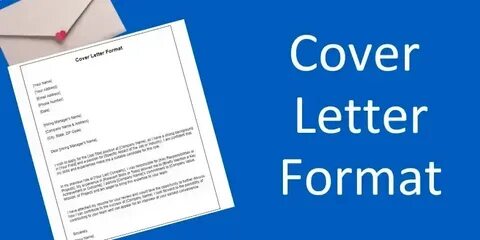
Visual Example of a Clean Cover Letter Layout

A clean layout improves readability.
Use:
- Clear spacing
- Simple fonts
- Proper alignment
Presentation matters.
How to Edit and Proofread Your Letter
Errors can ruin your chances.
Editing Checklist
- Check grammar
- Remove repetition
- Improve clarity
Tools like grammar checkers help.
According to best practices from the Purdue Online Writing Lab, proofreading is essential for professional applications.
Take your time.
How to Adapt Your Cover Letter for Remote Jobs
Remote jobs require specific skills.
Highlight These Skills
- Communication
- Time management
- Self-discipline
Show that you can work independently.
Cover Letter Tips for Entry-Level Candidates
No experience does not mean no value.
What to Focus On
- Education
- Projects
- Transferable skills
Show willingness to learn.
Cover Letter Tips for Career Switchers
Switching careers requires strategy.
What to Emphasize
- Relevant skills
- Adaptability
- Motivation
Explain your transition clearly.
Mistakes That Instantly Turn Recruiters Away
Avoid these critical errors.
Red Flags
- Spelling mistakes
- Generic content
- Overconfidence
- Lack of structure
These reduce your chances immediately.
How to Make Your Cover Letter Memorable
Standing out requires effort.
Simple Techniques
- Use a strong opening
- Add a unique insight
- Show enthusiasm
Authenticity matters.
Final Thoughts Write with Purpose and Confidence
A cover letter is more than a document.
It is your voice.
It tells employers who you are and what you can offer.
Do not treat it as an afterthought.
Write with clarity. Write with purpose. Write with confidence.
That is how you get noticed.
Frequently Asked Questions
Do employers really read cover letters
Yes, many employers use them to evaluate candidates beyond resumes.
How long should a cover letter be
Keep it between 250 and 400 words for best results.
Can I use the same cover letter for all jobs
No, you should customize each letter for the specific role.
What is the most important part of a cover letter
The opening and body are most important because they capture attention and show value.
Should I include personal information
Include only relevant professional information, not personal details.
Leave a Reply