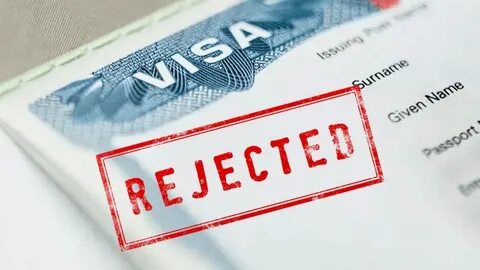
Traveling abroad can change your life. It can open doors to better education, exciting careers, business opportunities, and unforgettable experiences. Yet, many visa applications fail every year because of simple and avoidable mistakes.
A visa refusal can feel frustrating, expensive, and emotionally draining. Some applicants lose tuition fees, flight bookings, or even job opportunities because of errors they never expected. Others face long delays that ruin carefully planned travel dates.
The truth is simple. Visa officers do not reject applications randomly. Most refusals happen because applicants overlook important details, submit weak documents, or fail to meet requirements.
Understanding these mistakes can dramatically improve your chances of approval.
This guide explains the most common visa mistakes that lead to rejection. It also shows practical ways to avoid them. Whether you are applying for a tourist visa, student visa, work visa, or business visa, these lessons can save you stress, money, and disappointment.
Why Visa Applications Get Rejected So Often
Many people assume that visa applications are only about submitting forms and waiting for approval. Unfortunately, the process is more complex.
Visa officers examine several important factors before making decisions. They want to confirm:
- Your documents are genuine
- Your travel purpose is legitimate
- You can support yourself financially
- You will obey immigration laws
- You intend to return home when required
Even small inconsistencies can create suspicion. A missing document or misleading statement may damage your credibility immediately.
According to the official guidance from the U.S. Department of State, applicants must provide truthful and complete information throughout the visa process.
The stakes are high because immigration fraud has increased globally. Visa officers now investigate applications more carefully than ever.
That means preparation matters.
Quick Overview of the Most Common Visa Mistakes
| Mistake | Possible Consequence | Risk Level |
|---|---|---|
| Incomplete application forms | Immediate refusal | High |
| Fake documents | Ban or long-term refusal | Extremely High |
| Weak financial proof | Doubts about affordability | High |
| Poor interview performance | Credibility concerns | Medium |
| Inconsistent information | Suspicion of dishonesty | High |
| Ignoring travel history | Weak immigration profile | Medium |
| Applying too late | Missed deadlines | Medium |
| Choosing the wrong visa type | Automatic rejection | High |
| Lack of supporting evidence | Insufficient proof | High |
| Overconfidence or carelessness | Costly avoidable errors | Medium |
Incomplete Application Forms
One of the most common reasons for visa refusal is incomplete paperwork.
Many applicants rush through forms without reviewing them properly. Others leave sections blank because they assume certain questions are unimportant.
Visa officers notice these mistakes quickly.
Common form errors include:
- Missing signatures
- Incorrect passport numbers
- Wrong travel dates
- Spelling mistakes
- Inconsistent addresses
- Empty sections
- Incorrect employment details
Even a minor typo can create problems if it conflicts with your supporting documents.
For example, if your employment letter states one salary amount while your application form shows another, the officer may question your honesty.
How to avoid this mistake
Before submitting your application:
- Read every instruction carefully
- Double-check all entries
- Match every detail with your documents
- Review names and dates multiple times
- Ask someone else to proofread your form
Never assume a small mistake will be ignored.
Visa systems are stricter today because many countries use automated verification tools.
Submitting Fake or Altered Documents
This is one of the fastest ways to get rejected.
Some applicants submit fake bank statements, forged invitation letters, or altered employment records. Others use dishonest travel agents who promise guaranteed approvals through fake documents.
This approach can destroy future travel opportunities.
Modern embassies verify documents carefully. They contact employers, banks, schools, and sponsors regularly.
If fraud is discovered, consequences may include:
- Immediate visa refusal
- Multi-year bans
- Permanent immigration records
- Difficulty obtaining future visas
- Possible legal consequences
Countries now share immigration information more frequently. A fraud issue in one country may affect applications elsewhere.
The official immigration guidance from UK Visas and Immigration explains that false representations can lead to serious penalties.
Safer alternatives instead of fake documents
If your profile is weak:
- Build savings gradually
- Improve your travel history
- Secure proper sponsorship
- Wait until your finances improve
- Strengthen your employment stability
Patience is far better than fraud.
Weak Financial Evidence
Money plays a major role in visa decisions.
Visa officers want proof that you can pay for your trip without becoming financially dependent abroad.
Weak financial evidence creates immediate concern.
Common problems include:
- Low account balances
- Sudden large deposits
- Inconsistent income
- Missing bank statements
- Unverified sponsors
- Suspicious transactions
Many applicants make a dangerous mistake. They borrow money temporarily to inflate their account balance.
Embassies often detect this.
A sudden deposit without explanation raises red flags. Officers may suspect the funds are not genuinely yours.
What strong financial proof looks like
Strong financial evidence usually includes:
- Stable income history
- Regular account activity
- Reasonable savings growth
- Tax documents
- Payslips
- Business records
- Sponsor evidence if applicable
Consistency matters more than massive amounts.
A person with moderate but stable finances may appear more trustworthy than someone with unexplained large balances.
Financial mistakes students often make
Student visa applicants frequently struggle here.
Common student mistakes include:
- Incomplete tuition evidence
- Weak sponsorship documents
- Missing scholarship proof
- Unclear living expense plans
Student applicants should clearly show:
- Tuition payment ability
- Accommodation plans
- Monthly living support
- Sponsor relationships
Transparency is essential.
Choosing the Wrong Visa Category
This mistake causes many avoidable refusals.
Different visas exist for different purposes. Applying under the wrong category creates confusion and suspicion.
For example:
- Using a tourist visa for business activities
- Applying for tourism instead of medical treatment
- Using a visitor visa for long-term study
- Choosing short-term visas for permanent intentions
Visa officers carefully examine your purpose of travel.
If your documents suggest activities outside your visa category, rejection becomes likely.
Common visa categories explained
| Visa Type | Main Purpose |
|---|---|
| Tourist Visa | Vacation and short visits |
| Student Visa | Academic study |
| Work Visa | Employment abroad |
| Business Visa | Meetings and business activities |
| Transit Visa | Passing through a country |
| Medical Visa | Medical treatment |
Always apply for the visa that matches your real intentions.
Trying to “simplify” your application by choosing the wrong category often backfires.
Poor Interview Preparation
Not every visa requires interviews, but many important applications do.
Visa interviews can feel intimidating. Nervousness causes many applicants to perform badly even when their documents are strong.
Common interview mistakes include:
- Contradicting written information
- Memorized robotic answers
- Overexplaining simple questions
- Arguing with officers
- Appearing dishonest
- Lack of confidence
- Poor understanding of travel plans
Visa officers are trained to observe behavior carefully.
They look for consistency, confidence, and honesty.
Questions visa officers commonly ask
You may be asked:
- Why are you traveling?
- Who is sponsoring you?
- What do you do for work?
- Why this country?
- How long will you stay?
- What ties do you have to your home country?
Your answers should be:
- Clear
- Honest
- Brief
- Consistent with documents
Do not memorize complicated speeches.
Natural communication works better.
Inconsistent Information Across Documents
Consistency is one of the biggest factors in visa approval.
If different documents tell different stories, visa officers become suspicious immediately.
Common inconsistencies include:
- Different job titles
- Salary mismatches
- Conflicting travel dates
- Different addresses
- Incorrect marital status
- Contradictory education history
Even accidental inconsistencies can damage credibility.
For example:
- Your form says you are employed
- Your bank statement shows no salary payments
- Your employment letter lacks official details
This combination raises questions.
How to maintain consistency
Create a checklist before submission.
Verify that:
- Dates match everywhere
- Names are identical
- Financial figures align
- Travel plans remain consistent
- Sponsor details are accurate
Consistency creates trust.
Trust strongly influences visa decisions.
Ignoring Travel History
Travel history matters more than many applicants realize.
A person who has successfully traveled and returned home multiple times may appear lower risk.
Applicants with no travel history are not automatically rejected. However, they may face stricter scrutiny.
Some travelers make things worse by:
- Overstaying previous visas
- Violating immigration rules
- Working illegally abroad
- Ignoring visa conditions
Immigration records are increasingly connected worldwide.
Past violations can affect future applications for years.
How to build stronger travel history
If you are new to international travel:
- Start with countries that have simpler visa processes
- Follow all immigration rules carefully
- Return before visa expiration
- Keep old visas and stamps organized
Responsible travel behavior helps future applications.
Applying Too Late
Timing matters.
Some applicants wait until the last minute before applying. This creates stress and increases mistakes.
Visa processing delays happen frequently because of:
- High application volumes
- Security checks
- Missing documents
- Administrative reviews
- Holiday periods
Late applications can cause:
- Missed flights
- Lost tuition deadlines
- Event cancellations
- Additional expenses
Recommended visa timelines
| Visa Type | Suggested Application Timing |
|---|---|
| Tourist Visa | 1 to 3 months early |
| Student Visa | 3 to 6 months early |
| Work Visa | 2 to 6 months early |
| Business Visa | 1 to 2 months early |
Early preparation gives you time to fix problems if additional documents are requested.
Lack of Strong Ties to Home Country
This is a major reason many visas are denied.
Visa officers want reassurance that you will return home after your trip.
Strong ties may include:
- Stable employment
- Business ownership
- Family responsibilities
- Property ownership
- Educational commitments
- Financial obligations
Applicants with weak home ties may appear likely to overstay abroad.
Examples of strong home-country evidence
Helpful supporting evidence may include:
- Employment contracts
- Business registration certificates
- Property documents
- Family records
- School enrollment letters
The goal is simple.
You must show that your life remains established in your home country.
Overdependence on Travel Agents
Travel agents can help organize applications, but many applicants rely on them too heavily.
Some agents submit incorrect information without the applicant understanding the details.
This creates serious risks.
Common problems include:
- Fake documents
- Incorrect applications
- False employment claims
- Wrong travel purposes
- Hidden mistakes
Remember this clearly.
You are responsible for your visa application, even if an agent prepared it.
How to safely work with agents
If you use an agent:
- Review every document personally
- Understand your application fully
- Refuse fake documents
- Verify all information
- Keep copies of submissions
Never sign blank forms.
Never allow anyone to lie on your behalf.
Poorly Written Invitation or Sponsorship Letters
Invitation letters often influence visa outcomes.
Weak letters create doubts about the legitimacy of your trip.
Common sponsorship letter mistakes include:
- Missing contact information
- Unclear relationships
- No financial explanation
- Contradictory travel plans
- Informal language
- Lack of supporting documents
A strong invitation letter should clearly explain:
- Who is inviting you
- Why you are visiting
- Duration of stay
- Accommodation plans
- Financial responsibility
Supporting evidence also matters.
For example:
- Sponsor bank statements
- Proof of legal residence
- Employment records
- Identification documents
Ignoring Country-Specific Requirements
Every country has different immigration rules.
Applicants often assume visa processes are identical everywhere.
This causes costly mistakes.
For example:
- Some countries require biometrics
- Others demand travel insurance
- Some need certified translations
- Others require medical exams
Failing to follow country-specific instructions can lead to immediate refusal.
Smart ways to avoid requirement mistakes
Before applying:
- Visit the official embassy website
- Read updated requirements carefully
- Confirm document validity periods
- Check photo specifications
- Understand processing timelines
Rules change regularly.
Always rely on official sources.
Careless Social Media Activity
This issue is becoming increasingly important.
Some immigration authorities now review public online activity during visa processing.
Problems may arise when social media contradicts your application.
Examples include:
- Claiming unemployment online while submitting employment records
- Posting illegal work activities abroad
- Sharing fraudulent visa advice
- Displaying suspicious travel intentions
Consistency matters online too.
You do not need to hide your social media accounts. However, public information should not conflict with your application.
Underestimating the Importance of Documentation
Many applicants believe basic documents are enough.
In reality, supporting evidence often determines approval.
Weak documentation may create uncertainty about:
- Financial stability
- Travel purpose
- Accommodation plans
- Employment status
- Academic intentions
Documents commonly required
Depending on visa type, applicants may need:
- Passport
- Bank statements
- Employment letters
- Tax records
- Flight reservations
- Hotel bookings
- Admission letters
- Sponsor documents
- Travel insurance
Organized documentation improves credibility.
Messy submissions create confusion.
Common Student Visa Mistakes
Student visas involve additional scrutiny because they often lead to long-term stays.
Frequent student visa mistakes include:
- Choosing suspicious schools
- Weak study plans
- Unclear career goals
- Poor academic explanations
- Insufficient funding
Visa officers want confidence that:
- Your education goals are genuine
- Your chosen program makes sense
- You can afford your studies
- You plan to follow immigration rules
How students can improve approval chances
Students should prepare:
- Strong personal statements
- Clear academic goals
- Realistic financial plans
- Genuine admission documents
- Detailed sponsor explanations
The clearer your educational purpose, the stronger your application becomes.
Common Tourist Visa Mistakes
Tourist visas may appear simple, but refusals remain common.
Mistakes often include:
- Unrealistic travel plans
- Weak financial proof
- No employment evidence
- Unclear accommodation details
- Overly long proposed stays
Tourism applications should look realistic.
For example:
- A short vacation often appears more believable
- Clear hotel bookings help credibility
- Detailed itineraries strengthen applications
Simple and realistic plans work best.
Common Work Visa Mistakes
Work visas require serious documentation.
Common problems include:
- Fake job offers
- Missing employer approvals
- Unverified companies
- Salary inconsistencies
- Incomplete contracts
Immigration authorities verify employers carefully.
Applicants should confirm:
- Employer legitimacy
- Sponsorship approval
- Work permit compliance
- Contract authenticity
Work visa fraud receives heavy scrutiny globally.
Emotional Mistakes That Hurt Applications
Some visa refusals happen because applicants panic emotionally.
Common emotional mistakes include:
- Submitting rushed applications
- Hiding negative information
- Becoming aggressive during interviews
- Overexplaining simple issues
- Following online rumors
Fear often causes poor decisions.
Calm preparation produces better results.
Dangerous Visa Myths People Still Believe
Many applicants follow outdated or false advice online.
Here are common myths:
| Myth | Reality |
|---|---|
| Big bank balance guarantees approval | Consistency matters more |
| Travel agents guarantee visas | No agent controls embassy decisions |
| Fake documents work | Fraud creates serious consequences |
| Interviews are only formalities | Interviews heavily influence decisions |
| Visa refusal means permanent failure | Reapplication is often possible |
Believing misinformation can ruin strong applications.
Always verify advice carefully.
What To Do If Your Visa Gets Rejected
A refusal is disappointing, but it is not always permanent.
Many successful travelers faced earlier refusals before eventual approval.
The key is learning from mistakes.
Steps to take after rejection
If your visa is denied:
- Read the refusal letter carefully
- Identify the exact problem
- Improve weak areas
- Gather stronger evidence
- Reapply honestly
Avoid emotional reactions.
Do not immediately submit another weak application without fixing problems.
Signs Your Visa Application Is Strong
A strong application usually contains:
- Accurate documents
- Stable financial records
- Clear travel purpose
- Consistent information
- Strong home-country ties
- Realistic plans
- Honest communication
No application is guaranteed approval.
However, careful preparation significantly improves your chances.
Practical Checklist Before Submitting Your Visa Application
Use this final checklist before submission.
Personal information
- Correct passport details
- Accurate addresses
- Consistent names
- Updated contact information
Financial evidence
- Stable bank statements
- Verifiable income
- Sponsor proof if necessary
- Tax documents
Travel plans
- Clear itinerary
- Realistic travel dates
- Accommodation proof
- Return plans
Supporting documents
- Employment letters
- Admission letters
- Invitation letters
- Insurance documents
Final review
- Proofread forms carefully
- Compare all documents
- Remove inconsistencies
- Prepare interview answers
Careful preparation reduces avoidable mistakes.
Conclusion
Visa applications can feel stressful because so much depends on the outcome. A rejection may delay dreams, disrupt education plans, or cancel important opportunities.
Fortunately, most common visa mistakes are preventable.
The strongest applications are not always the richest or most complicated. They are usually the clearest, most honest, and most organized.
Remember these key lessons:
- Always provide truthful information
- Prepare documents carefully
- Maintain consistency
- Follow official instructions
- Apply under the correct category
- Show strong financial and personal stability
A visa officer’s decision often comes down to trust. Every document and answer contributes to that trust.
Approach your application professionally and patiently. Small details matter more than many people realize.
With proper preparation, your chances of approval improve dramatically.
FAQ
Can a visa rejection affect future applications?
Yes. Previous refusals may appear in future applications. However, many people still receive visas later after improving weak areas.
Is a large bank balance enough for visa approval?
No. Visa officers also examine income stability, transaction history, employment, and travel purpose.
Should I use a travel agent for my visa application?
You can, but always review everything personally. You remain responsible for the application details.
Can fake documents lead to permanent bans?
Yes. Some countries impose long-term or permanent immigration bans for fraud.
How early should I apply for a visa?
It depends on the visa type. Student and work visas usually require earlier preparation than tourist visas.
Leave a Reply