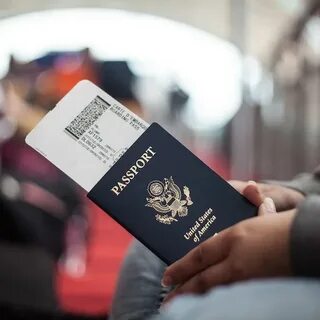
Introduction: The Dream of Moving Abroad Is Real But Only If You Do It Legally
Moving abroad is one of the most powerful decisions anyone can make. It can unlock better income, career growth, and global exposure. But it can also become a painful experience if done illegally or without proper planning.
Many people fall into the trap of shortcuts. Fake agents, false job offers, and undocumented travel routes often lead to disappointment. Some even face legal consequences.
The truth is simple. The safest and most reliable path is a sponsored work visa.
A sponsored work visa means a foreign employer officially supports your relocation. They prove to immigration authorities that you are needed for a job.
This guide explains exactly how to move abroad legally using this system. It breaks down real steps, requirements, countries, job types, and mistakes to avoid.
What a Sponsored Work Visa Really Means
A sponsored work visa is a legal permit issued when a company hires you from another country. The employer acts as your sponsor.
This means they:
- Offer you a valid job contract
- Submit documents to immigration authorities
- Prove that no local worker is available for the role
- Support your visa application process
For official clarity, countries like Canada outline sponsorship requirements through their immigration system, which you can explore via the Canadian work permit guidelines.
Important point:
Without employer sponsorship, most work visas cannot proceed.
Why Sponsored Work Visas Are the Safest Path Abroad
Many migration routes exist, but sponsored visas remain the most stable.
Reasons include:
- Legal job verification
- Structured immigration process
- Employer accountability
- Pathway to residency in many countries
However, challenges also exist:
- High competition
- Strict employer screening
- Documentation requirements
Still, this remains the most trusted and globally accepted method.
Step 1: Understand Your Target Country
Not all countries accept workers equally. Each country has its own demand structure.
Popular destinations include:
- Canada
- United Kingdom
- Germany
- Australia
- United Arab Emirates
- Ireland
- New Zealand
Each country focuses on different industries.
For example:
- Canada focuses on healthcare and logistics
- Germany focuses on engineering and skilled trades
- UAE focuses on construction and hospitality
Understanding demand helps you avoid wasted applications.
Step 2: Identify High-Demand Jobs That Offer Sponsorship
You cannot randomly apply for jobs abroad. You must target shortage occupations.
Common sponsored job categories include:
- Caregiving and healthcare support
- Construction and skilled trades
- Warehouse and logistics roles
- Hospitality and hotel services
- Driving and transport jobs
- IT support and entry-level tech roles
These jobs are attractive to employers because local workers are insufficient.
Step 3: Build a Strong International CV
Your CV is your first impression.
A strong international CV should include:
- Clear job experience
- Simple formatting
- No unnecessary personal details
- Relevant skills section
- Action-based achievements
Avoid:
- Long paragraphs
- Irrelevant job history
- Fake experience claims
Employers in sponsored systems are strict. Accuracy is critical.
Step 4: Apply Through Verified Job Platforms
One of the most dangerous mistakes is applying through fake agencies.
Use trusted platforms like:
- Government job portals
- Licensed recruitment agencies
- Verified company websites
You can also check job legitimacy using international employment standards like those explained by the International Labour Organization.
Warning signs of fake job offers:
- No official company website
- Asking for large upfront payments
- No interview process
- Unverified email addresses
If it sounds too easy, it is likely fake.
Step 5: Prepare for Employer Interviews
Most sponsorship jobs include online interviews.
Employers evaluate:
- Communication skills
- Work attitude
- Experience relevance
- Reliability and consistency
Tips for success:
- Practice clear English communication
- Research the company
- Be honest about your experience
- Show willingness to relocate
Many applicants fail due to poor communication, not lack of skill.
Step 6: Secure a Job Offer Letter
The job offer letter is the foundation of your visa process.
It usually includes:
- Job title
- Salary details
- Work location
- Employment conditions
- Sponsorship confirmation
Without this document, you cannot proceed.
Step 7: Employer Submits Visa Sponsorship Documents
Once hired, your employer submits official sponsorship documents.
This may include:
- Labor market approval
- Sponsorship certificate
- Employment verification
- Immigration compliance forms
This stage is fully handled by the employer in most countries.
Step 8: Apply for Your Work Visa
After sponsorship approval, you submit your visa application.
You will typically need:
- Passport
- Job offer letter
- Sponsorship documents
- Medical examination results
- Police clearance certificate
Processing time varies by country.
Some visas are processed in weeks, while others take months.
Comparison Table: Sponsored Work Visa Process by Country
| Country | Average Processing Time | Sponsorship Type | Key Industries | Difficulty Level |
|---|---|---|---|---|
| Canada | 4–12 weeks | Employer-based | Healthcare, logistics | Medium |
| UK | 3–8 weeks | Licensed sponsor | Care, construction | Medium |
| Germany | 6–12 weeks | Employer contract | Engineering, care | Medium |
| Australia | 4–10 weeks | Employer nomination | Skilled trades | Medium |
| UAE | 1–3 weeks | Direct employer hire | Hospitality, construction | Low |
| Ireland | 4–10 weeks | Critical skills list | Tech, healthcare | Medium |
| New Zealand | 6–12 weeks | Accredited employer | Agriculture, care | Medium |
| Saudi Arabia | 2–6 weeks | Employer sponsorship | Construction, engineering | Low |
Step 9: Attend Medical and Background Checks
Most countries require:
- Medical examination
- Tuberculosis screening (in some cases)
- Criminal record check
These steps ensure safety and eligibility.
Failure to pass medical checks can delay approval.
Step 10: Visa Approval and Travel Preparation
Once approved, you receive your work visa stamp or permit.
At this stage:
- Book your flight
- Prepare travel documents
- Arrange accommodation (if not provided)
- Understand workplace expectations
Your employer may assist with relocation.
Most Common Sponsored Work Visa Jobs in 2026
High-demand roles include:
- Care assistants
- Warehouse workers
- Truck drivers
- Construction laborers
- Hotel staff
- IT support technicians
These jobs are constantly needed due to global labor shortages.
Benefits of Moving Abroad With Sponsored Work Visas
Positive outcomes include:
- Legal international employment
- Stable income in foreign currency
- Career advancement opportunities
- Pathway to permanent residency
It can transform your financial future.
Risks and Challenges You Must Understand
Not everything is easy.
Common challenges include:
- Culture shock
- Language barriers
- High living costs in some countries
- Job stress in physical roles
- Employer dependency
Understanding these realities prevents disappointment.
How to Avoid Visa Scams and Fake Job Offers
This is one of the most important sections.
Avoid:
- Agents asking for huge upfront fees
- Jobs without interviews
- Fake company emails
- Unverified recruitment websites
Always verify companies through official sources.
If unsure, cross-check job listings with official government portals like the UK’s visa sponsorship rules via the Skilled Worker visa system.
Pro Tips to Increase Your Approval Chances
To stand out:
- Apply to shortage occupations only
- Improve English communication skills
- Tailor CV per job application
- Apply consistently to multiple employers
- Stay honest in all applications
Consistency often beats qualification.
Emotional Reality: What Moving Abroad Feels Like
Moving abroad is exciting but also stressful.
Positive emotions:
- Hope
- Financial relief
- New opportunities
Negative emotions:
- Homesickness
- Pressure at work
- Cultural adjustment
Both experiences are normal and expected.
Conclusion: Your Legal Path Abroad Starts With the Right Strategy
Moving abroad legally through a sponsored work visa is not a shortcut. It is a structured process that rewards preparation, honesty, and persistence.
There are real opportunities waiting in countries facing labor shortages. But success depends on how well you follow the system.
If you focus on:
- Verified job applications
- Real skills
- Employer sponsorship
- Proper documentation
You can build a legal and sustainable future abroad.
Frequently Asked Questions
Can I move abroad without a sponsor
No. Most work visas require employer sponsorship or government-approved programs.
How long does a sponsored work visa take
It depends on the country, ranging from 2 weeks to 12 weeks on average.
Do I need a degree for sponsored jobs
Not always. Many jobs require skills or experience instead of degrees.
What is the easiest country to get sponsored work visa
UAE and Saudi Arabia are among the fastest due to high labor demand.
Can sponsored work visas lead to permanent residency
Yes, in countries like Canada, Australia, and the UK.
Leave a Reply